
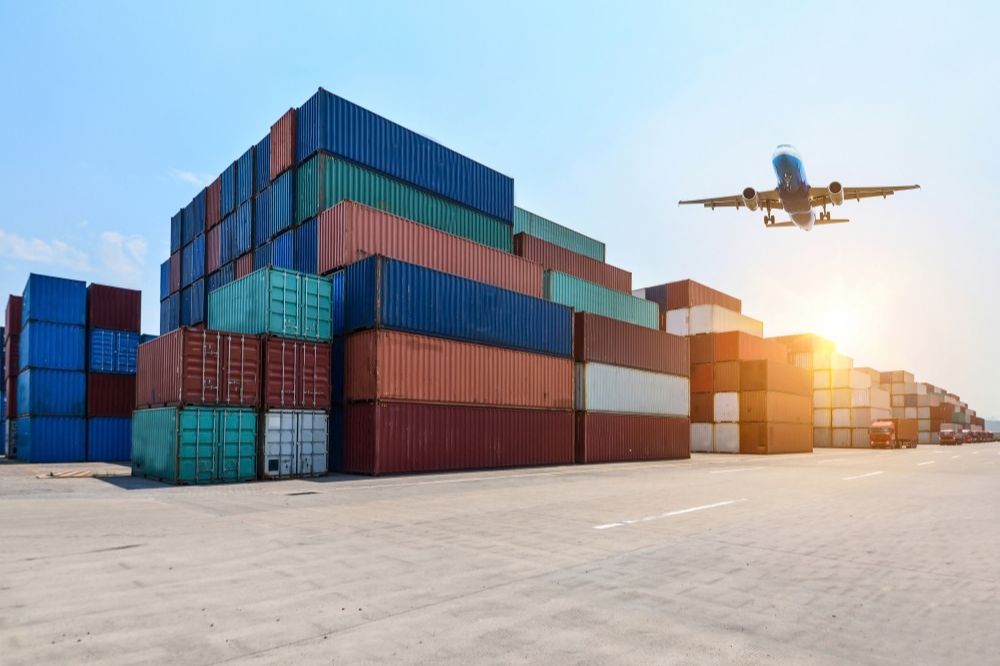
Importing or exporting goods can look simple on paper. In practice, there are usually several things happening at the same time. Someone is handling the paperwork, another team is arranging transportation, customs needs the right information, and the warehouse has to be ready for the shipment.
When one part of that process is missed, the problem can quickly affect everything else. A shipment may be held up, a delivery can arrive late, or a business may end up paying more than expected.
Practical Ways to Streamline Import and Export
1. Sort Out the Paperwork First
Before a shipment leaves, take a little time to go through the documents. This includes the commercial invoice, packing list, bill of lading, product classification, and any permits or certificates that may be needed.
The details should match across the paperwork. Something as simple as an incorrect product description or quantity can create questions later.
2. Do Not Leave Customs Until the Last Minute
Customs should be part of the planning process, not something handled after everything else is arranged.
Different products and shipments can have different requirements. Knowing what information is needed ahead of time gives everyone more time to prepare.
3. Look at the Entire Transportation Route
It is tempting to focus on how quickly a shipment can get from point A to point B. That is not always the best way to plan.
Think about what happens along the way. Where will the shipment cross the border? Is there enough space at the warehouse? Will someone be available to receive it? Does the delivery date actually work with the production schedule?
4. Know What Is in Your Inventory
Inventory problems can cause trouble on both sides of a supply chain. A company may order too much because it does not have an accurate view of what is already available. Or, it may run short of an important material without realizing it until production is affected.
Keep an eye on goods that are in the warehouse, items currently in transit, materials needed for production, and finished products waiting to be shipped.
5. Plan Manufacturing and Shipping Together
Manufacturing does not happen separately from logistics. If production increases, more materials may need to be imported. If production slows down, the business may not need the same amount of warehouse or transportation capacity.
This is something companies should consider when looking at contract manufacturing in Mexico. Production capacity is important, but so are lead times, transportation, quality requirements, inventory, and the customs side of moving goods across the border.
6. Make Communication Simple
There can be quite a few people involved in one cross-border shipment. If everyone is getting updates from different sources, it becomes difficult to know which information is current.
A simple communication process can help. Decide who is responsible for documents, who handles carrier updates, and who needs to be notified when a shipment is delayed.
7. Check What Is Causing Delays
Once the process is running, pay attention to the problems that keep coming back.
Are shipments regularly delayed at the same border crossing? Are documents often being corrected? Are transportation costs higher than they should be?
These patterns are useful. Instead of treating every delay as a one-off problem, businesses can look at why it keeps happening and make a change where it matters.
Build a Process That Works for Your Business
There is no single import and export process that works for every company. A manufacturer may have very different needs from a distributor, while a business shipping small orders will have different priorities from one moving large volumes across the border.
At Mexus Logistics Inc, we work with businesses that need support managing operations between the U.S. and Mexico. We know that logistics, manufacturing, customs, and warehousing often overlap, so we help keep those parts of the operation working together.