
Moving part of a business to Mexico can look easy on paper. Then the real work begins.
A shipment gets held at the border. A supplier needs an answer. Production plans change. Someone has to deal with paperwork, staffing, customs, or a warehouse issue. None of these problems is unusual on its own, but together they can take up a surprising amount of time.
That is why US companies expanding into Mexico are often looking for something broader than a freight company or a manufacturing facility. They want a partner that can help with the operation as a whole.
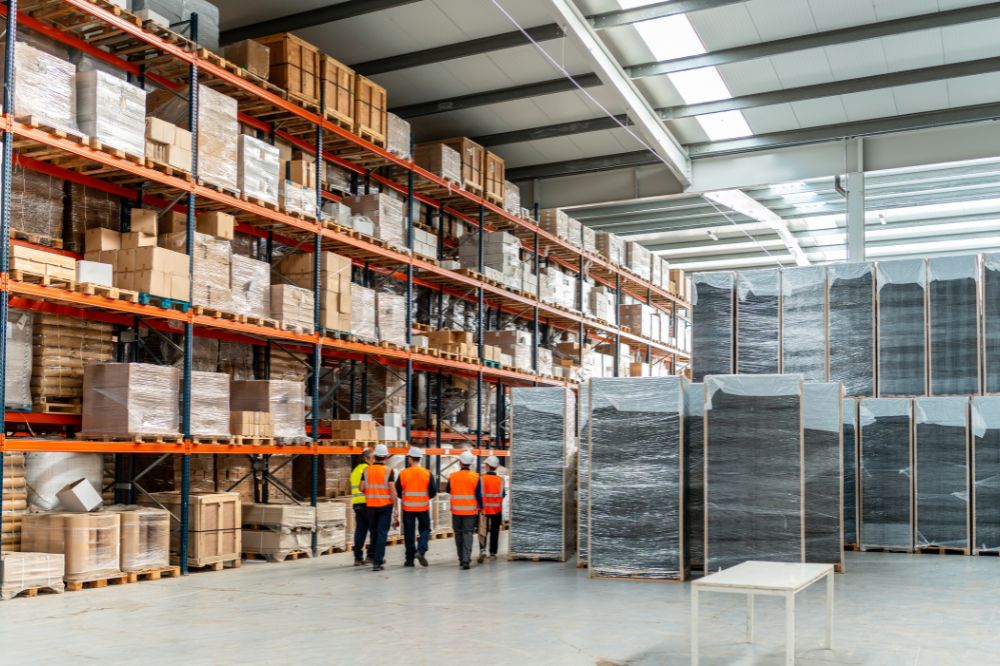
More Than Moving Products
Logistics is usually one of the first concerns. Goods need to move between facilities and across the US-Mexico border without unnecessary delays.
But transportation is only one part of the picture. Customs paperwork, warehousing, inventory, scheduling, and communication all affect whether a shipment arrives when it should.
For businesses that regularly move goods between the two countries, having access to cross border logistics services can make the process easier to coordinate. The important part is having people who understand what happens before a truck reaches the border and what needs to happen after it crosses.
Manufacturing Is Part of the Equation
Some companies come to Mexico because they want to bring production closer to their US customers. Others already have a supplier but need additional capacity.
Building a factory from scratch is a major commitment. It takes money, time, people, equipment, and local knowledge. For some businesses, that simply is not the right first step.
Contract manufacturing in Mexico offers another route. A company can work with an established operation and use existing resources while keeping its own attention on product development, customers, and growth.
Of course, the factory still has to be a good fit. Production standards, capacity, quality control, lead times, and communication should all be discussed before making a decision.
Local Knowledge Makes a Difference
One of the biggest challenges for a US company operating in another country is knowing what it does not know.
Mexico has its own customs procedures, labor requirements, tax considerations, and business practices. Trying to handle everything from an office in the US can lead to slow decisions or simple misunderstandings.
A local partner can bridge that gap. Someone on the ground can deal with issues as they happen rather than waiting for every question to travel back and forth between countries.
Companies Also Want Someone Who Stays Involved
There is a difference between helping a company launch an operation and helping it run one.
Once the first shipment goes out and production starts, new questions will come up. Volumes may increase. A supplier may change. A customer may need an earlier delivery. Staffing needs may look different six months later than they did at the beginning.
Good support has to account for those changes.
That is also why communication matters so much. Businesses should know who is handling an issue and who will provide an answer. When several vendors are involved, a simple problem can turn into a chain of emails and phone calls.
Looking at the Bigger Picture
Cost will always matter, but it should not be the only consideration when choosing an operational partner in Mexico.
A cheaper option can become expensive if shipments are delayed, production is inconsistent, or a US-based team spends hours chasing answers. Reliability, local knowledge, flexibility, and communication deserve the same attention as the initial price.
For many companies, the goal is not simply to establish a presence in Mexico. It is to build an operation that works well enough to support future growth.
Conclusion
End-to-end operational support is ultimately about making the complicated parts of cross-border business easier to manage. When logistics, manufacturing, local expertise, and day-to-day coordination work together, US companies have a stronger foundation for operating in Mexico.
At Mexus Logistics Inc, we help US businesses manage the practical side of their Mexican operations, from logistics and manufacturing to the local support needed to keep things moving.